Mobile Money and Banking Platform Competition
An applied economic research and analytics project examining competition, complementarity, and multihoming between traditional banking and mobile money platforms, and their implications for financial inclusion, digital payments, and the future of digital finance
About the Project
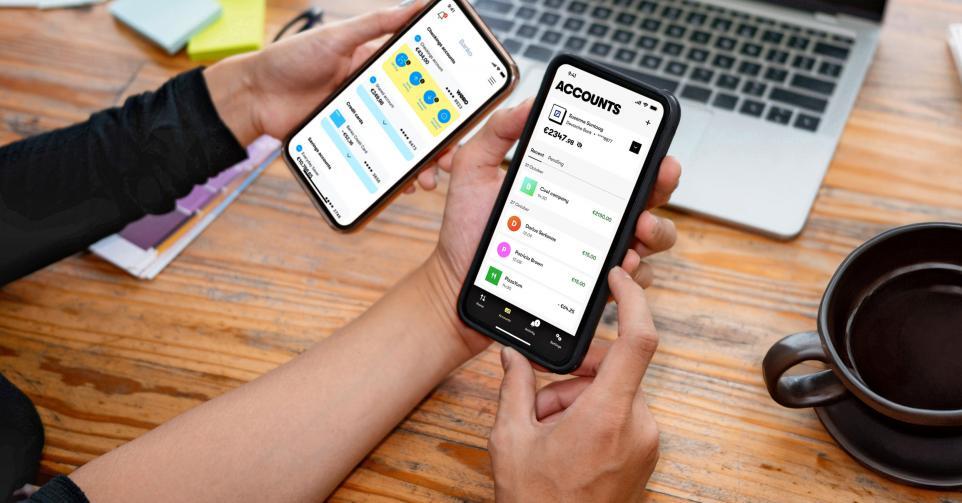
Mobile Money and Banking Platform Competition is an applied economic research and data analytics project examining how mobile money platforms and traditional banking systems interact within evolving digital financial ecosystems. The project investigates whether mobile money and banking operate primarily as competing substitutes, complementary financial services, or interconnected platforms that consumers use simultaneously.
The research analyzes consumer adoption and multihoming behavior, financial inclusion, digital payment usage, platform accessibility, interoperability, and the institutional and technological factors shaping the choice between banking and mobile money. Particular attention is given to differences across countries and regions and to how digital infrastructure, regulation, payment-system development, and financial-sector characteristics influence these relationships.
The project combines economic theory, empirical analysis, and data-driven tools to generate insights relevant to financial institutions, fintech companies, policymakers, regulators, and researchers. Its longer-term objective is to translate the underlying research into accessible analytical products, including interactive dashboards, country comparisons, data visualizations, policy briefs, and a digital-finance data portal that allows users to explore the changing relationship between mobile money, banking, and emerging forms of digital finance
The Problem We Are Addressing
Despite the rapid expansion of mobile money and digital financial services, the relationship between mobile money platforms and traditional banking remains complex and varies substantially across countries. Mobile money may substitute for conventional bank accounts for some consumers, complement banking services for others, or form part of a broader financial ecosystem in which individuals simultaneously use multiple platforms.
This creates an important analytical challenge: understanding what determines whether consumers remain bank-only users, rely primarily on mobile money, use both systems, or remain financially excluded. Differences in digital infrastructure, transaction costs, accessibility, income, regulation, interoperability, trust, financial literacy, and the availability of banking and agent networks can all shape these choices.
For financial institutions, fintech firms, regulators, and policymakers, limited understanding of these interactions can make it difficult to design effective digital-finance strategies, promote interoperability, expand financial inclusion, and anticipate how emerging technologies—including central bank digital currencies—may affect the competitive structure of the financial system.
The project addresses this challenge by developing an empirical framework for measuring and explaining competition, complementarity, and multihoming across banking and mobile money platforms.
What E-Digit Is Building or Delivered
The project develops an integrated economic research and data analytics framework for examining how consumers and businesses use traditional banking and mobile money platforms. It classifies users across alternative financial-service arrangements—including bank-only, mobile-money-only, multihoming across both platforms, and financial exclusion—and analyzes the factors associated with these choices.
The analysis combines household and financial-inclusion data with information on digital infrastructure, financial-sector development, mobile money ecosystems, regulation, interoperability, and payment-system reforms. Econometric and data-analytics methods are used to identify patterns of competition and complementarity, explain differences across countries, and assess how changes in the digital-finance environment influence platform adoption.
E-Digit will translate the research into practical analytical products, including interactive dashboards, country and regional comparisons, data visualizations, research reports, and policy briefs. The longer-term solution includes a digital-finance data portal through which policymakers, financial institutions, fintech companies, researchers, and other users can explore indicators and evidence on the evolving relationship between banking, mobile money, and emerging digital payment technologies.
By connecting economic research with accessible digital tools, the project aims to transform complex financial-sector data into actionable insights for business strategy, financial inclusion, regulation, payment-system development, and digital-finance policy.
Where the Project Stands
The project is currently in the research, data-development, and empirical-analysis stage. A multi-source analytical database is being developed by integrating Global Findex micro- and macro-level financial inclusion data with indicators on financial-sector development, mobile money infrastructure, digital connectivity, regulatory environments, and digital-payment reforms.
Initial work has focused on classifying consumers according to their use of banking and mobile money—including bank-only users, mobile-money-only users, users of both platforms (multihoming), and financially excluded individuals—and constructing country-level indicators for comparative analysis. Data-cleaning and integration pipelines have also been developed to support cross-country and country-year empirical analysis.
The next phase focuses on econometric analysis of platform choice, competition and complementarity; cross-country comparisons; digital-finance readiness; and the effects of regulatory and payment-system reforms. Results from this research will subsequently be incorporated into interactive dashboards, visualizations, policy briefs, and the planned E-Digit Digital Finance Data Portal.
Project Impact
The project is expected to produce a comprehensive evidence base on how mobile money and traditional banking interact across different financial markets. Key outputs will include empirical estimates of bank-only, mobile-money-only, multihoming, and financially excluded populations; analysis of the factors influencing platform adoption; and cross-country evidence on competition and complementarity between banking and mobile money.
The research will support the development of an interactive digital-finance data portal, analytical dashboards, country and regional profiles, data visualizations, research papers, and policy briefs. These products will enable policymakers, financial institutions, fintech firms, researchers, and businesses to translate complex financial-sector data into practical insights.
As an ongoing project, final outcomes will be updated as the empirical research and analytical platform develop. The longer-term objective is to provide a scalable research and decision-support platform for understanding financial inclusion, digital-payment ecosystems, interoperability, platform competition, and the implications of emerging technologies such as central bank digital currencies.
Research, Policy & Technical Outputs
The project is designed to generate outputs for both technical and non-technical audiences. Publications and downloadable resources will be linked here as they are released.
Visual Documentation
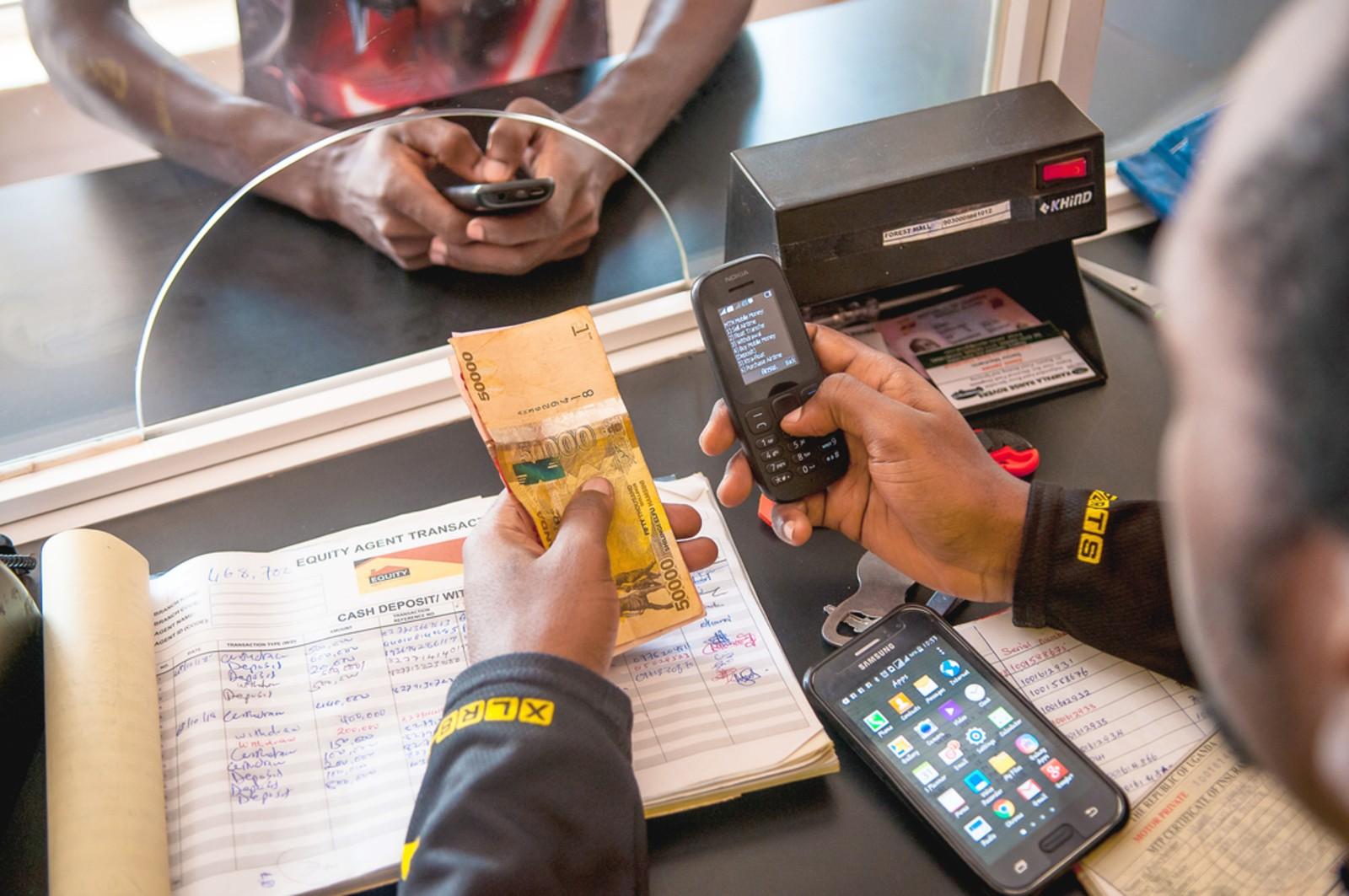
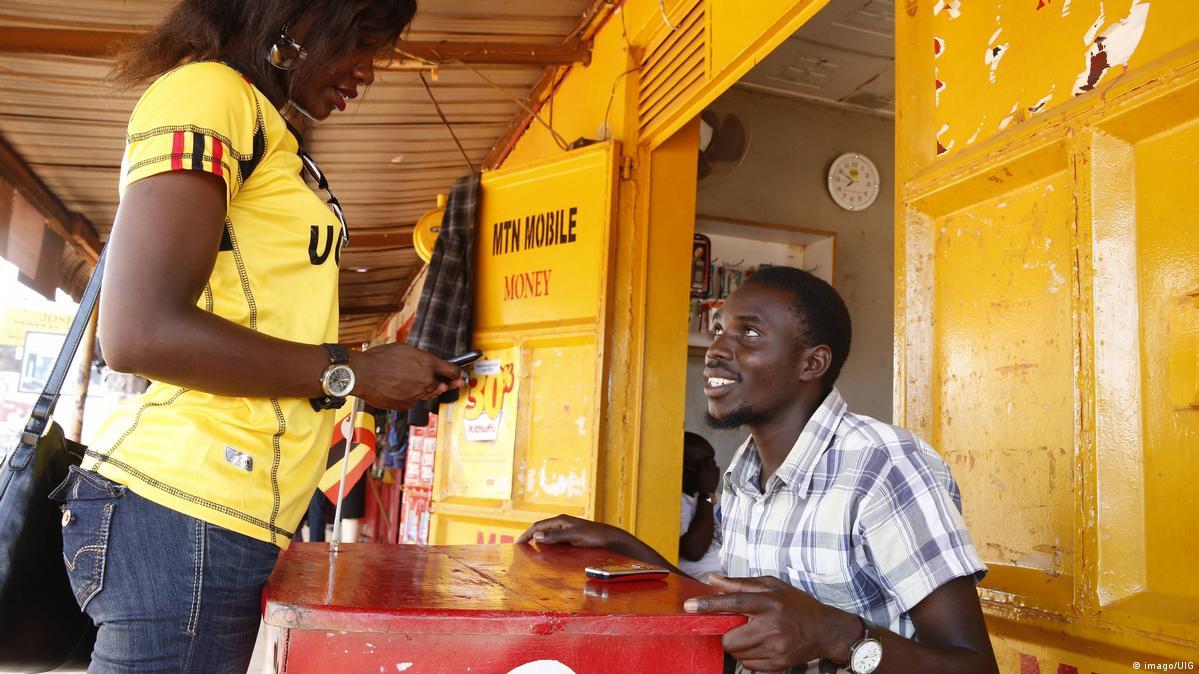
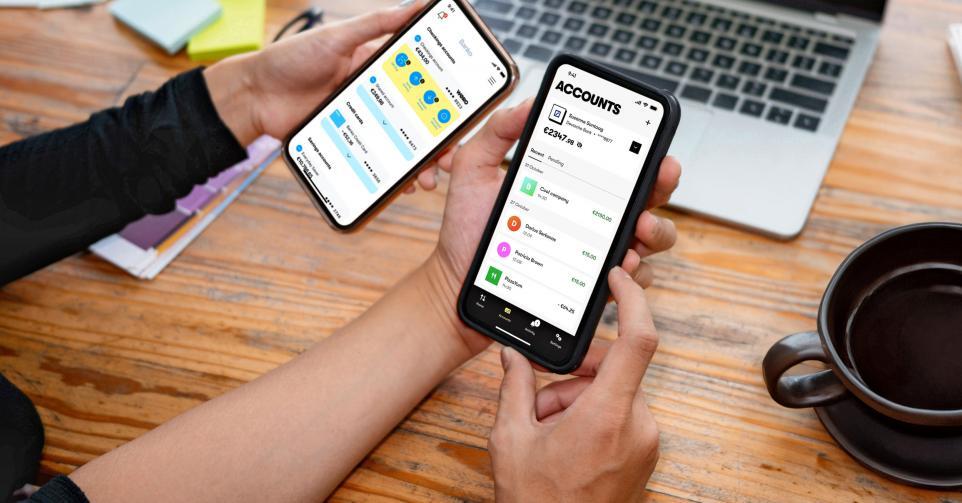
Selected images documenting the project context, research, technology, and implementation environment.

People Behind the Work

Edward Nyarko
Lead Researcher / Project Lead
Leads the economic research, empirical strategy, and overall development of the project. Responsibilities include developing the platform-competition framework, designing the banking and mobile-money user classifications, integrating multi-source financial and digital-economy datasets, conducting econometric and data analytics, interpreting the findings, and translating the research into policy insights, interactive analytics, and the Digital Finance Data Portal.